

This Danish-style remoulade is a lectin-free adaptation of the classic Scandinavian sauce, made with fermented pickles, avocado mayonnaise, and simple, nourishing ingredients. Creamy, tangy, and packed with flavor, it is the perfect accompaniment to fish, seafood, crab cakes, and even chicken or beef. Made from scratch in minutes, it delivers all the character of traditional remoulade without the seed oils, preservatives, and additives commonly found in store-bought versions.
Remoulade is an institution in Danish cuisine. You’ll find it served with fish, seafood, fries, roast beef sandwiches, and many other traditional dishes. Yet despite its popularity, most Danes buy it ready-made from the supermarket, where it often comes loaded with seed oils, preservatives, and other ingredients I prefer to avoid.
Years ago, while living in Texas and exploring a lectin-free way of eating, I set out to create a version that stayed true to the flavor my Danish husband grew up with while using cleaner, higher-quality ingredients. Since conventional pickles were not part of my diet at the time, I experimented with fermented vegetables instead. The result was a remoulade that quickly became a staple in our kitchen.
Today, I often make it with homemade fermented pickles, although any good-quality fermented vegetables will work (an earlier version of this recipe was made with fermented carrots). The combination of creamy mayonnaise, tangy fermented vegetables, herbs, and spices creates a sauce that is every bit as flavorful as the traditional version. It pairs beautifully with fish and seafood, but don’t stop there — this versatile sauce can brighten everything from roasted vegetables to sandwiches and salads.
Because mayonnaise is the main ingredient, quality matters. Use the best avocado-oil mayonnaise you can find, or make your own mayo at home for the freshest flavor.
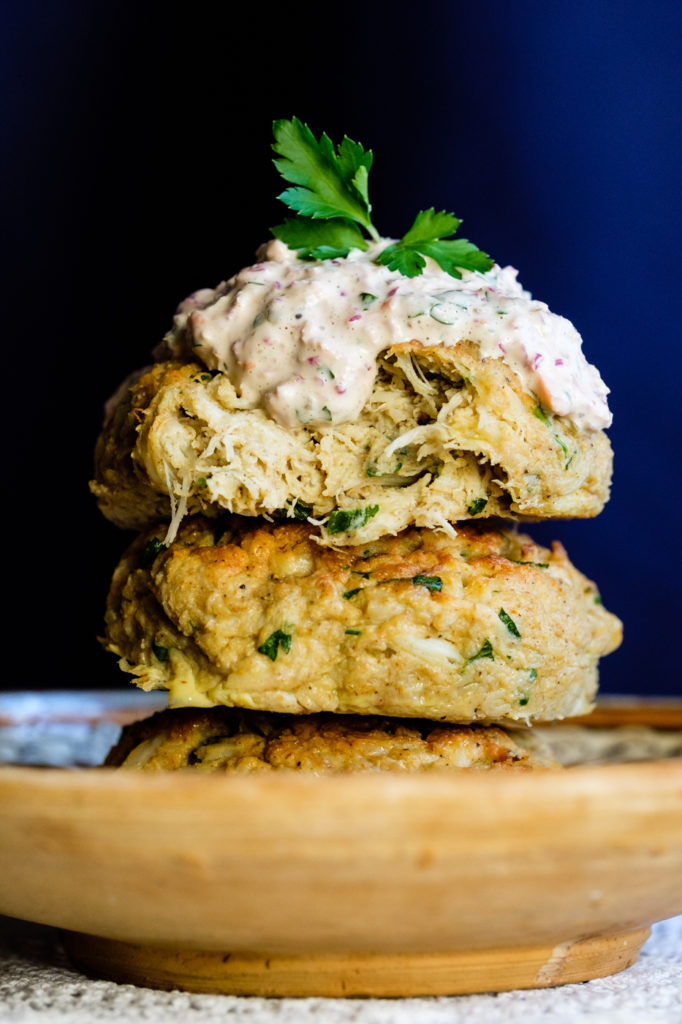
Remoulade and Tartar: are they the same thing?
I often wondered whether remoulade and tartar sauce are the same thing. The answer depends on where you are. Recipes for both sauces vary widely from country to country and even from family to family.
Traditional Danish remoulade is typically sweeter, more yellow in color (due to the curry powder), and contains finely chopped pickles and a variety of vegetables. Tartar sauce is usually simpler, relying on mayonnaise, pickles, capers, and sometimes herbs. That said, the two sauces share many of the same ingredients, are perfect for fish and seafood dishes, and the lines between them are often blurred.
Whatever you choose to call it, this version is creamy, tangy, and perfect with fish and seafood.
How to serve Danish-style remoulade
The Danish-style remoulade goes very well with my crab cakes. A few serving suggestions are below.
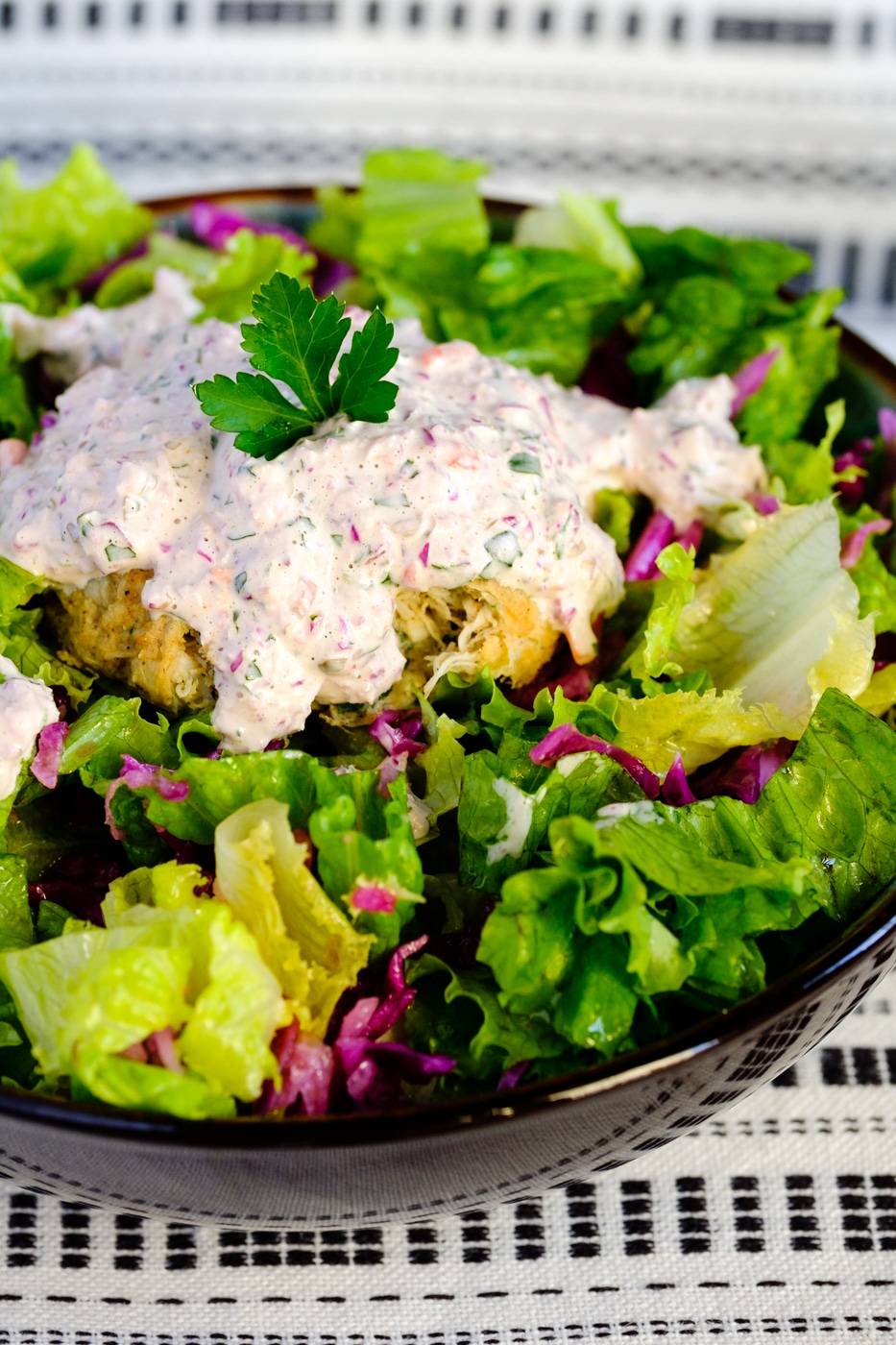
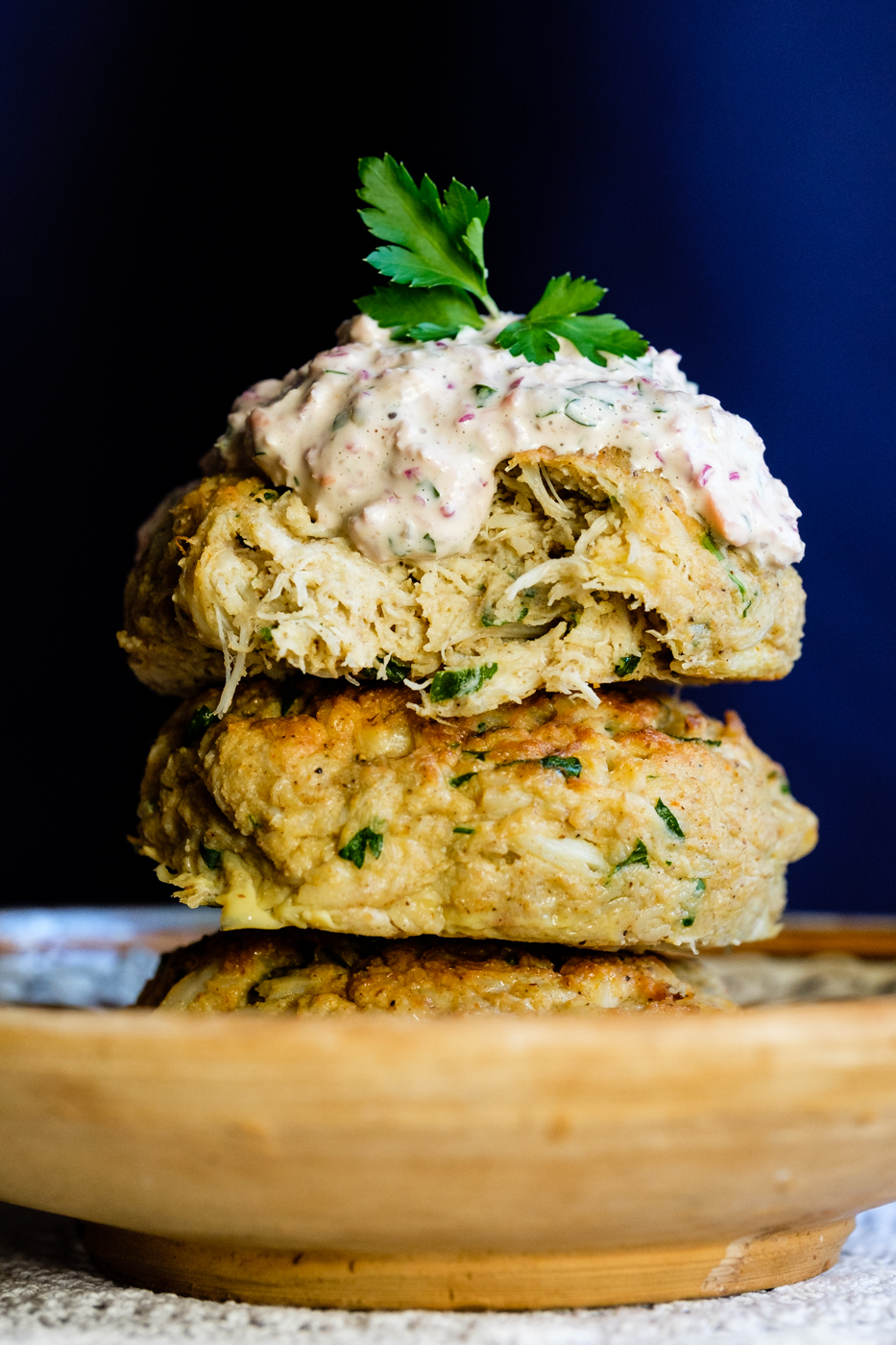
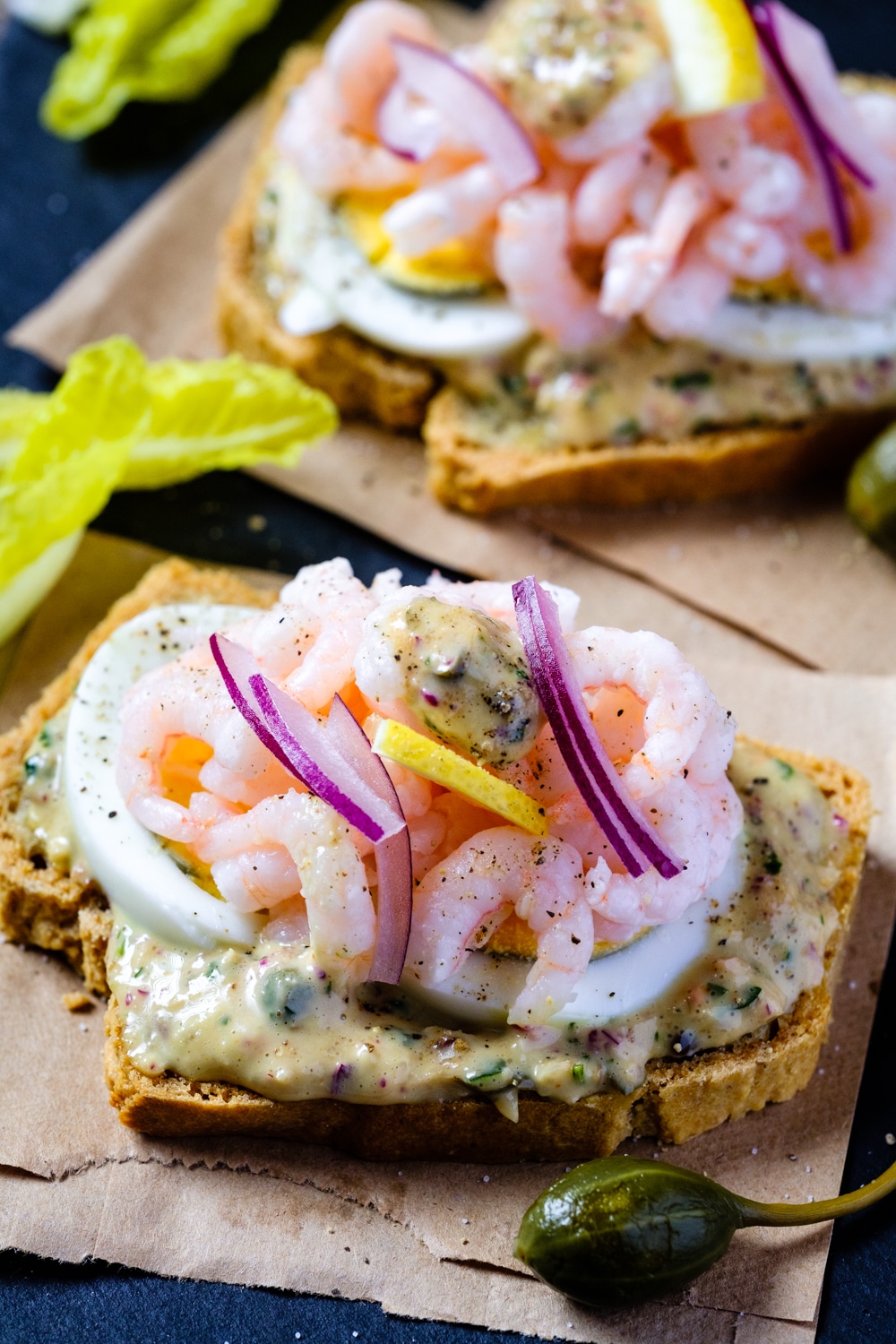

Danish Style Remoulade, Lectin Free
- Prep Time: 30 minutes
- Total Time: 30 minutes
- Yield: 6
- Category: Condiments
- Method: Food Processor
- Cuisine: Scandinavian
- Diet: Gluten-Free
Description
This Danish-style remoulade is a lectin-free adaptation of the classic Scandinavian sauce, made with fermented pickles, avocado mayonnaise, and simple, nourishing ingredients. Creamy, tangy, and packed with flavor, it is the perfect accompaniment to fish, seafood, crab cakes, and even chicken or beef. Made from scratch in minutes, it delivers all the character of traditional remoulade without the seed oils, preservatives, and additives commonly found in store-bought versions.
Ingredients
- 9oz Primal Kitchen Avocado Mayonnaise (or homemade mayo)
- 3 tbsp fermented pickles (cucumbers are great, but fermented carrots or cabbage work too)
- 1 tbsp extra virgin olive oil
- 1/4 tbsp red onion (which has been soaked in iced water for 10 mins)
- 2 tbsp capers, rinsed and dried
- 1/2 cup sliced red cabbage
- 1/4 cup parsnip
- 1/2 cup chopped parsley
- 1 tsp lemon juice
- 1 tsp Dijon mustard
- 1 tsp yellow curry powder
- 1/2 tsp dry mustard
- salt, pepper to taste
- 2 tbsp sheep / goat yogurt (optional)
Instructions
- Put the capers, onion (roughly chopped), parsnip (roughly chopped), red cabbage (roughly chopped) and parsley in a food processor and pulse until all minced.
- Add the vegetable mix to the mayonnaise, add the rest of the ingredients. Make sure vegetables and the fermented carrots are not wet and soggy when added to the mayo. If needed, gently pat dry them with a paper towel.
- Taste for salt and pepper, lemon, add more if needed.
- Add the yogurt if using.
- Store in an airtight jar in the refrigerator for up to 3 days.
Notes
Yogurt is optional in this recipe because I wanted to have a basic recipe for when we are trying to limit animal protein and diary, but if added will add more texture to the sauce. I used it both ways and it was delicious either way.
2 Comments
Nancy
July 22, 2023 at 9:55 amWhy should we soak the onions?
Claudia
July 23, 2023 at 4:33 amHi Nancy! Soaking the onions in cold water with soften the strong raw onion flavors. -Claudia