
This traditional Romanian zacuscă is a small-batch, lighter take on the beloved roasted vegetable spread. Made with roasted eggplant, sweet peppers, tomatoes, onions, and extra virgin olive oil, it keeps all the rich, smoky flavors of the original while using a few simple preparation techniques that make it gentler on digestion. Spread it on gluten-free bread, serve it with crackers, or enjoy it as part of a summer mezze platter.
A Romanian classic, made a little lighter
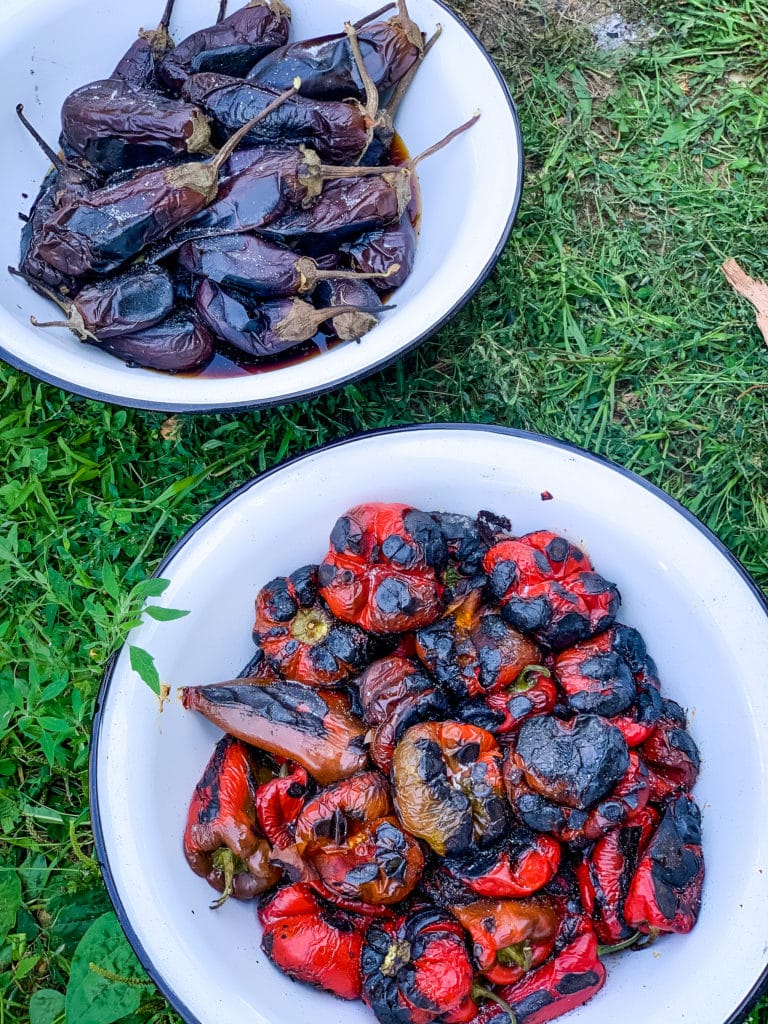
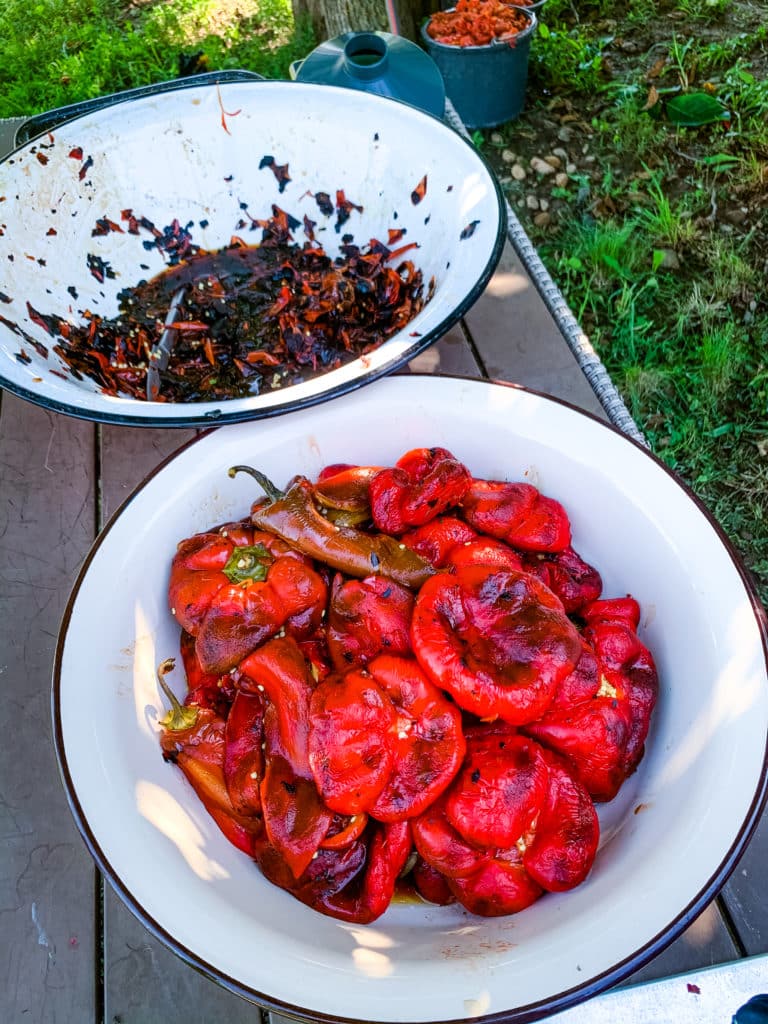
Zacuscă (could be spelled zacusca in English) is one of Romania’s most beloved traditional foods. Every late summer and early autumn, families roast impressive amounts of eggplants and peppers (usually from their own gardens), cook them down with tomatoes and onions, and preserve jars of this rich vegetable spread to enjoy throughout the winter. This is how part of the process looks for our family:
I grew up eating zacuscă and absolutely loved it. But despite looking like such a simple and innocent dish, it never agreed with me. Heartburn and indigestion were almost guaranteed after a generous slice of bread topped with zacuscă.
When I started changing the way I cooked and learned more about digestion, lectins, nightshade vegetables, histamines, and food sensitivities, I assumed this was one recipe I’d never enjoy again. Thankfully, that wasn’t the case.
By making a few simple adjustments — removing the skins and seeds from the vegetables, using extra virgin olive oil instead of sunflower oil, and preparing it fresh rather than canning it, I discovered I could enjoy zacuscă again without the discomfort I used to associate with it.
The result is every bit as smoky, sweet, and satisfying as the traditional version, while feeling much lighter.
Why this version of zacusca may be easier to digest
Traditional zacuscă is made with the same core vegetables, but traditional recipes don’t remove the skins and seeds from tomatoes and eggplants, and large amounts of sunflower oil are commonly used.
In this version, I remove the seeds and skins of peppers, eggplants, and tomatoes, and cook everything in extra virgin olive oil. If you follow a low-lectin lifestyle, these are familiar techniques, but they can also benefit anyone who finds nightshade vegetable dishes heavy on digestion.
Preparing the vegetables
One of the secrets to a delicious zacuscă is taking the time to prepare each vegetable properly. Besides creating a smoother texture, peeling and deseeding the vegetables removes any bitterness and makes the spread much more delicate.
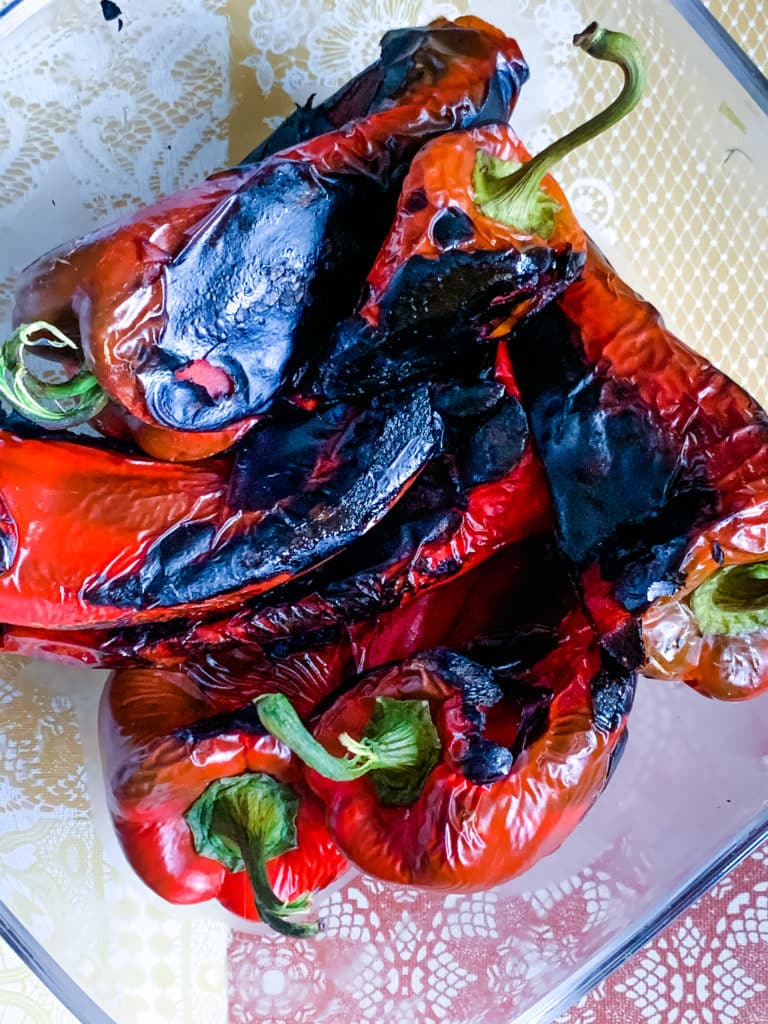
Roast the peppers and eggplant
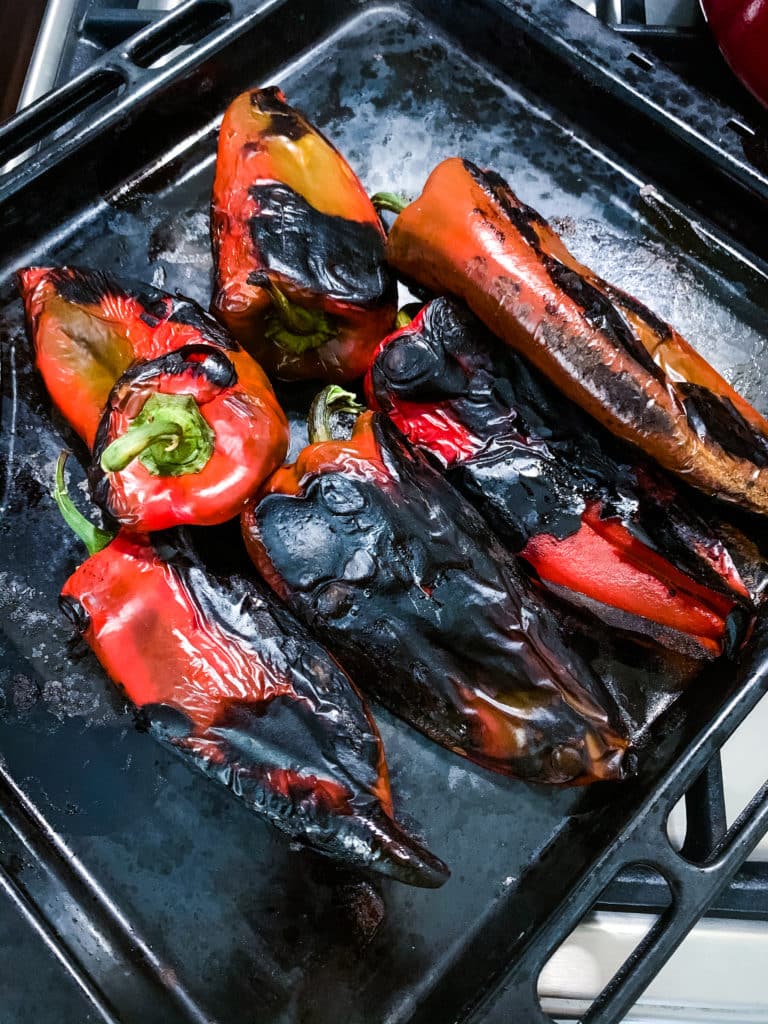
Roasting softens the vegetables and makes both the skins and seeds much easier to remove.
The traditional method is over an open fire, but a grill, gas burner, or hot oven all work beautifully. Roast until the skins are blistered and charred on all sides.
Transfer the vegetables to a bowl, sprinkle lightly with salt, cover, and let them steam for about 15 minutes. This helps loosen the skins even further.
Once cool enough to handle, peel away the skins, split the vegetables open, and remove as many seeds as possible. Allow the excess liquid to drain before chopping.
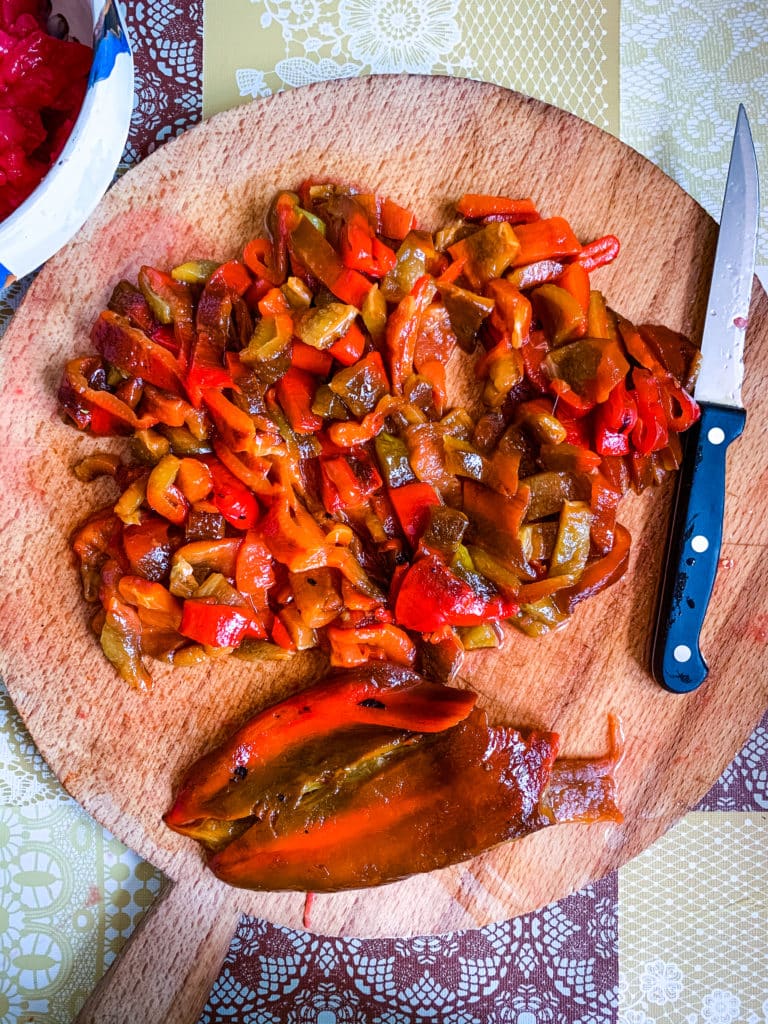

For the eggplant, we traditionally use a wooden knife or wooden spoon to chop it instead of a metal knife, which many Romanians believe helps preserve its color and flavor.


Peel and deseed the tomatoes
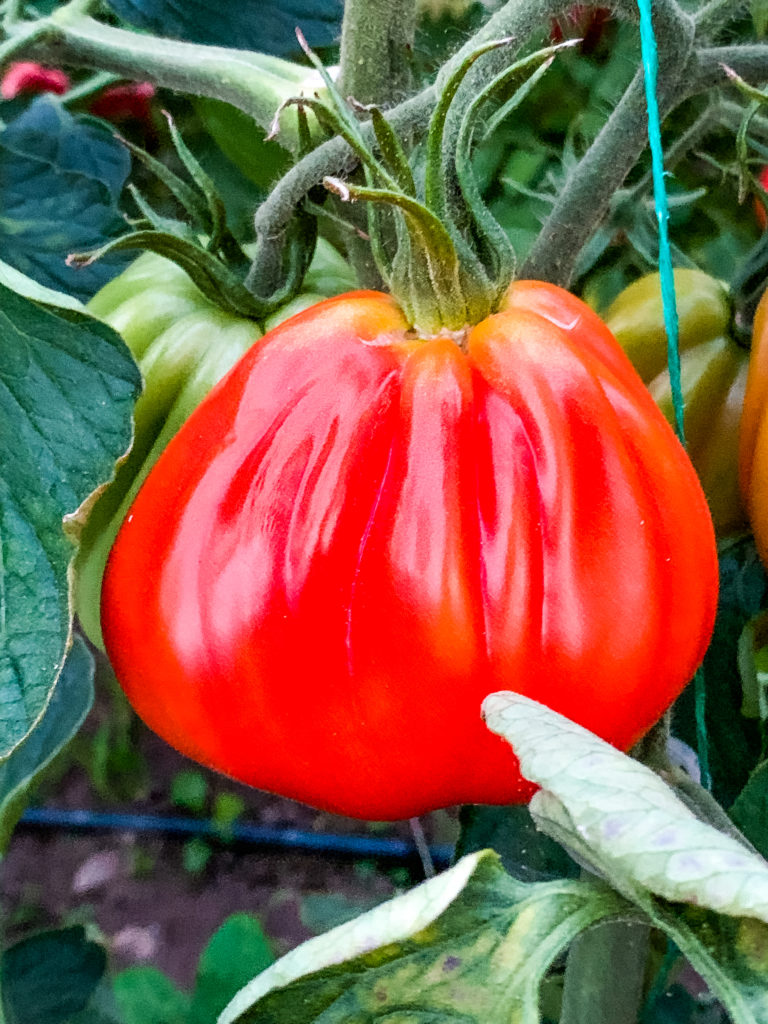
The skins and seeds contribute most of the lectins in tomatoes, so both are removed in this recipe. If you’re using meaty heirloom varieties, they’re often easy to peel and deseed by hand. Otherwise, score the tomatoes, blanch them in boiling water for 20 to 30 seconds, then transfer them to cold water. The skins will slip off easily, making the tomatoes simple to prepare.
Whenever possible, use ripe, organic tomatoes for the best flavor.
A few simple ingredient swaps
The onions don’t need any special preparation, so use them generously — they bring natural sweetness and depth to the finished spread.
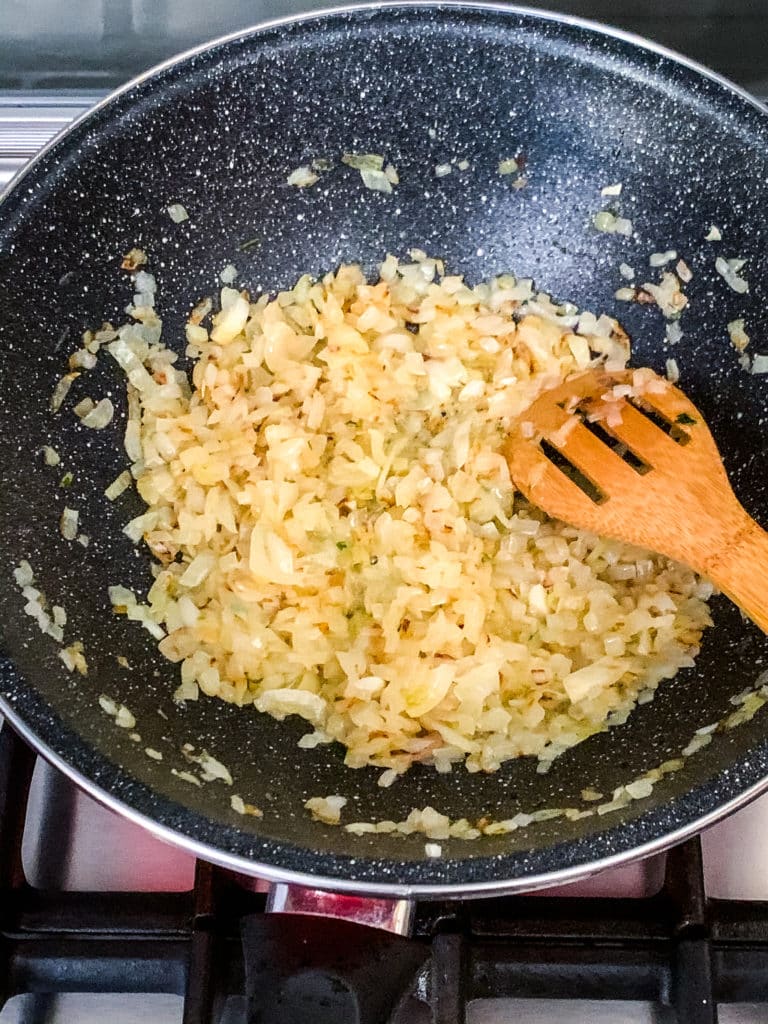
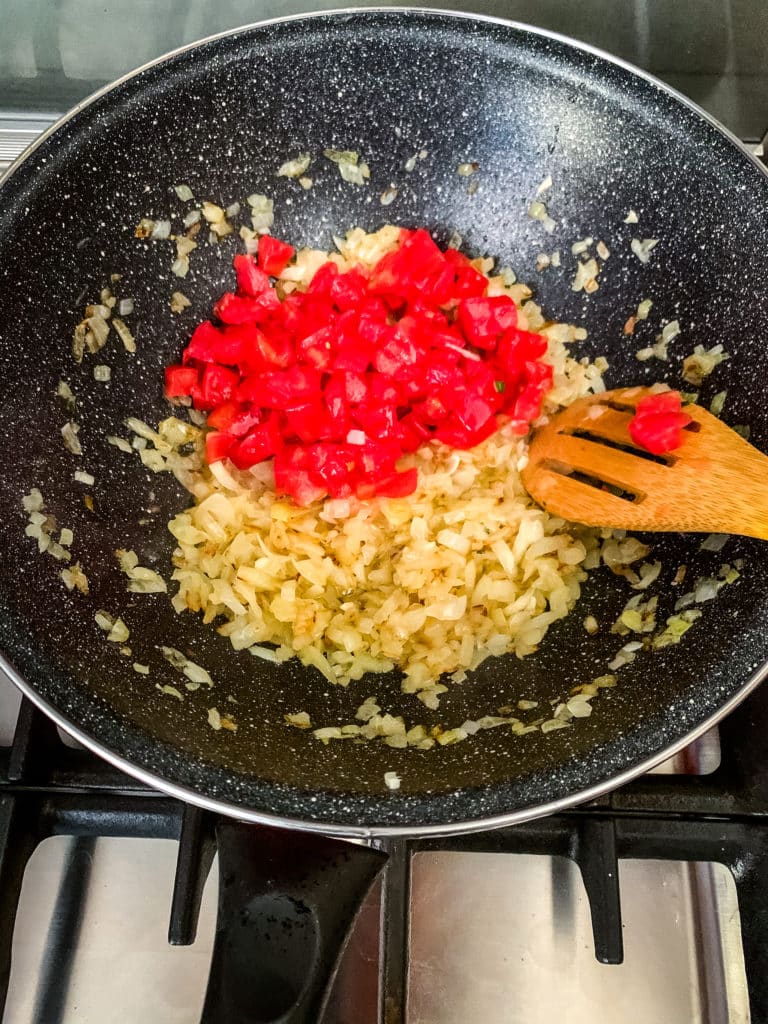
Instead of the sunflower oil traditionally used in Romania, I cook this version with extra virgin olive oil, which complements the roasted vegetables beautifully.
Beyond salt and freshly ground black pepper, zacuscă doesn’t need many seasonings. The slow-cooked vegetables provide all the flavor.
How to serve zacuscă
Traditionally, zacuscă is enjoyed simply spread over good bread.
I love serving it with my homemade cassava tortillas or gluten-free sourdough, but any good-quality gluten-free bread, crackers, or tortilla chips work well. It also makes a wonderful addition to a mezze platter alongside olives, cheeses, fresh vegetables, and grilled meats.
Whether served as a light lunch, appetizer, or snack, it’s one of those dishes that tastes even better after a day or two in the refrigerator.

Enjoy!
*This post contains affiliated links, which means I get a small commission if you choose to purchase something via one of my links, at no extra cost to you.
Print
Small-Batch Romanian Zacusca
- Prep Time: 1 hour
- Cook Time: 1 hour 10 minutes
- Total Time: 2 hours 10 minutes
- Yield: 6 servings
- Category: Appetizer, Side Dish
- Method: Stovetop
- Cuisine: Romanian
- Diet: Gluten-Free, Vegan, Vegetarian
Description
This traditional Romanian zacuscă is a small-batch, lighter take on the beloved roasted vegetable spread. Made with roasted eggplant, sweet peppers, tomatoes, onions, and extra virgin olive oil, it keeps all the rich, smoky flavors of the original while using a few simple preparation techniques that make it gentler on digestion. Spread it on gluten-free bread, serve it with crackers, or enjoy it as part of a summer mezze platter.
Ingredients
- Extra virgin olive oil, enough to generously coat the bottom of the pot
- 3 medium yellow onions, finely chopped
- 1 large tomato, peeled, deseeded, and finely chopped
- 4 medium eggplants, roasted, peeled, deseeded, and chopped (traditionally with a wooden spoon or wooden knife)
- 5 sweet red peppers, roasted, peeled, deseeded, and finely chopped
- Salt and freshly ground black pepper, to taste
Instructions
- Prepare the vegetables. Roast the eggplants and peppers over an open fire (traditional method), on a grill, over a gas flame, or in a hot oven until the skins are blistered and charred on all sides, about 20–40 minutes, depending on the size of the vegetables and the cooking method. Transfer them to a covered bowl and let them steam for about 15 minutes, then peel and remove the seeds. Peel and deseed the tomato (blanch it for 20–30 seconds in boiling water first if needed) and finely chop it. Chop the roasted peppers and eggplants, traditionally using a wooden spoon or wooden knife for the eggplant. For detailed instructions and step-by-step photos, see the post above.
- Heat a generous amount of extra virgin olive oil in a large sauté pan or heavy-bottomed pot over low to medium heat. Add the onions and cook for about 30 minutes, stirring occasionally, until soft, sweet, and lightly golden. Lower the heat if they begin to brown too quickly.
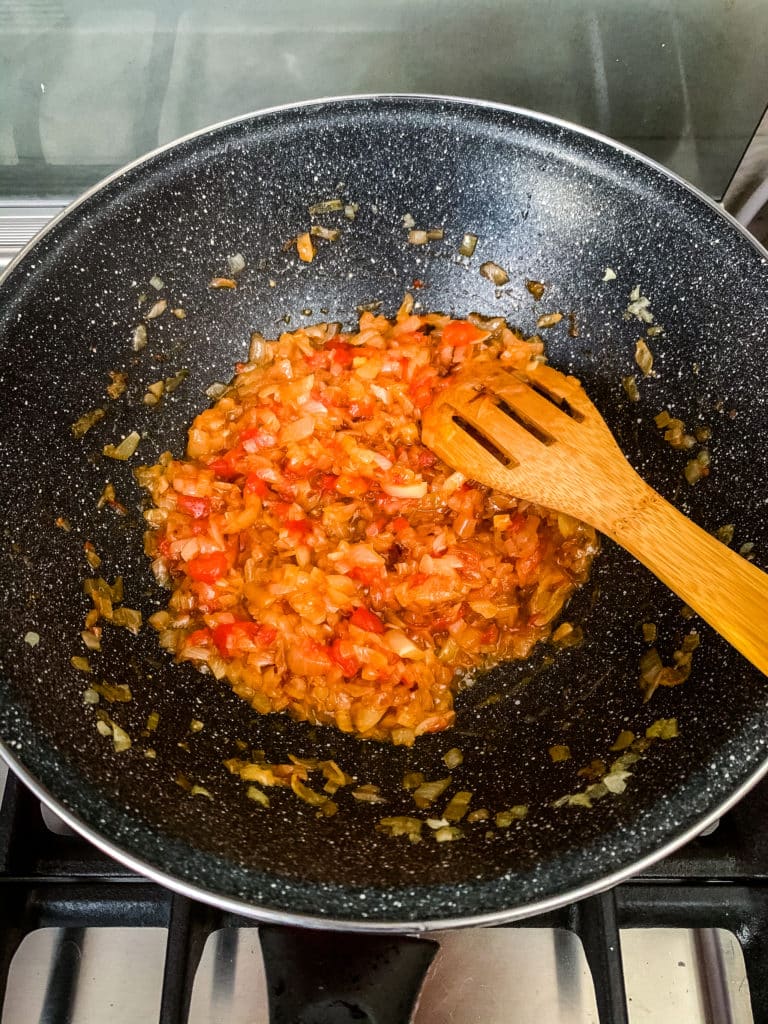
- Add the chopped tomato and cook for about 10 minutes, stirring occasionally.
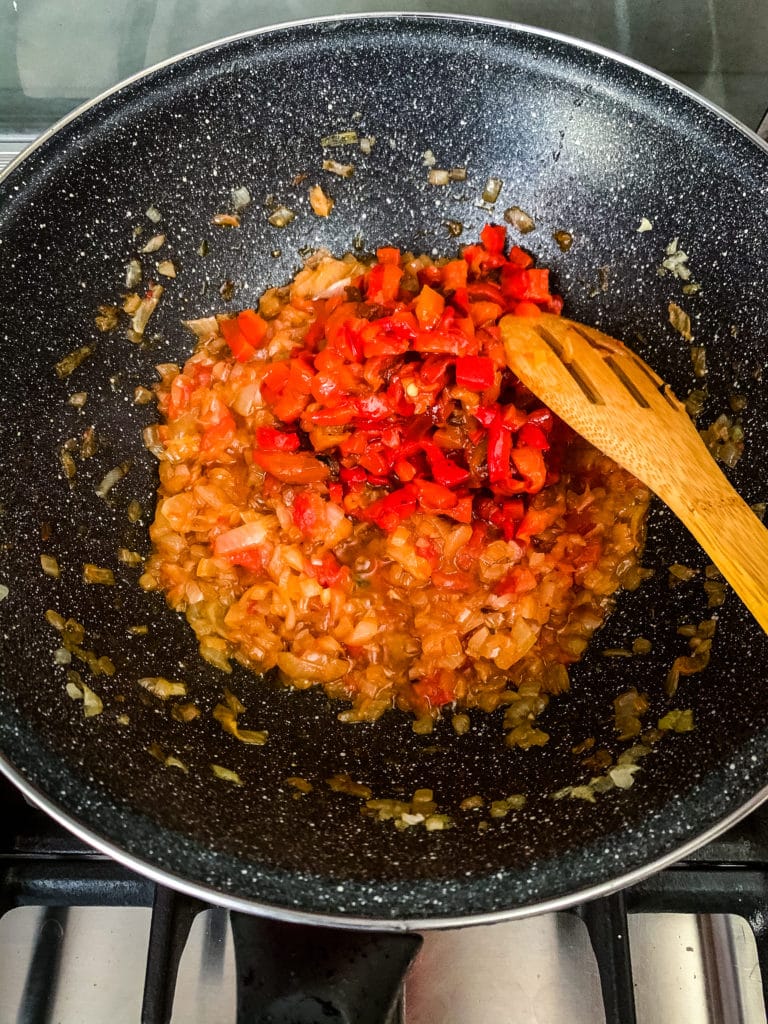
- Stir in the chopped eggplant and roasted peppers. Cook over low heat for about 30 minutes, stirring frequently, until the mixture is thick and the flavors have melded.
- Season with salt and freshly ground black pepper to taste.
- Let the zacuscă cool before serving. It is traditionally enjoyed at room temperature or chilled.
Notes
A small-batch recipe: Traditional Romanian zacuscă is usually prepared in large batches at the end of summer, using the season’s harvest of eggplants, peppers, and tomatoes, then canned for the winter. This recipe is a much smaller batch, perfect for enjoying fresh at home.
Storage: Store leftovers in an airtight container in the refrigerator for up to 4–5 days, or freeze for up to 3 months. I prefer freezing over canning, especially if you’re mindful of histamine.
Serving suggestions: Zacuscă is delicious served warm, at room temperature, or chilled. Enjoy it as a spread on gluten-free bread, sourdough, or crackers, or serve it as part of a mezze platter or alongside grilled meats and vegetables.
4 Comments
Abbie
September 8, 2020 at 2:36 pmI love seeing your recipes! I do have a question about the cassava flour though: I read the nutritional facts and saw that it is pretty high in carbs (about 23g per 1/4 cup). Are carbs not a big deal in the plant paradox diet?
Claudia
September 9, 2020 at 1:22 pmHi Abbie, there is no macro counting in the Plant Paradox. Following the general rules (lots of healthy fats, lots of vegetables, starches in moderation, low animal protein) is important and then adapting the macros to your own needs (we all have different needs depending on our current health, weight loss or gain targets, physical activity, age, sex, etc). From my epxerience following PP is very easy to become matabolically flexible, if intermittent fasting is a daily practice. From Dr. G’s point of view, limiting protein is actually more important than limiting carbs, however the carbs allowed in PP are only the approved vegetables, grains and approved resistant starches and fruits (in moderation). Again, is very personal how many cassava tortillas one can eat and how often without negativeley affecting their insulin sensitivity. For someone who is diabetic and obese is different that another person who is healthy and and very phyisically active. I hope it makes sense.
maison
August 6, 2020 at 8:02 amThank you for adapting the zacuscă recipe. It has been my favourite food from childhood; it’s so convenient to open a zacuscă jar during winter. My mother uses cooked shredded carrots (optionally some parsnips or celeriac) probably more than the other vegetables. Some Romanians add mushrooms or beans, as each family has their variation and each family likes their best and better than the commercial ones. Bay laurel leaves can also be used for flavour while cooking the mix. Also, Serbia has a similar zacuscă called ajvar.
Claudia
August 29, 2020 at 1:02 amMy favorite too! So good. Yes, each family has their own, that’s why I didn’t bother to follow any specific recipe, and made my own. I love those with mushrooms too, so tasty! I love the idea of carrots and parsnip, never heard of this one before. xx