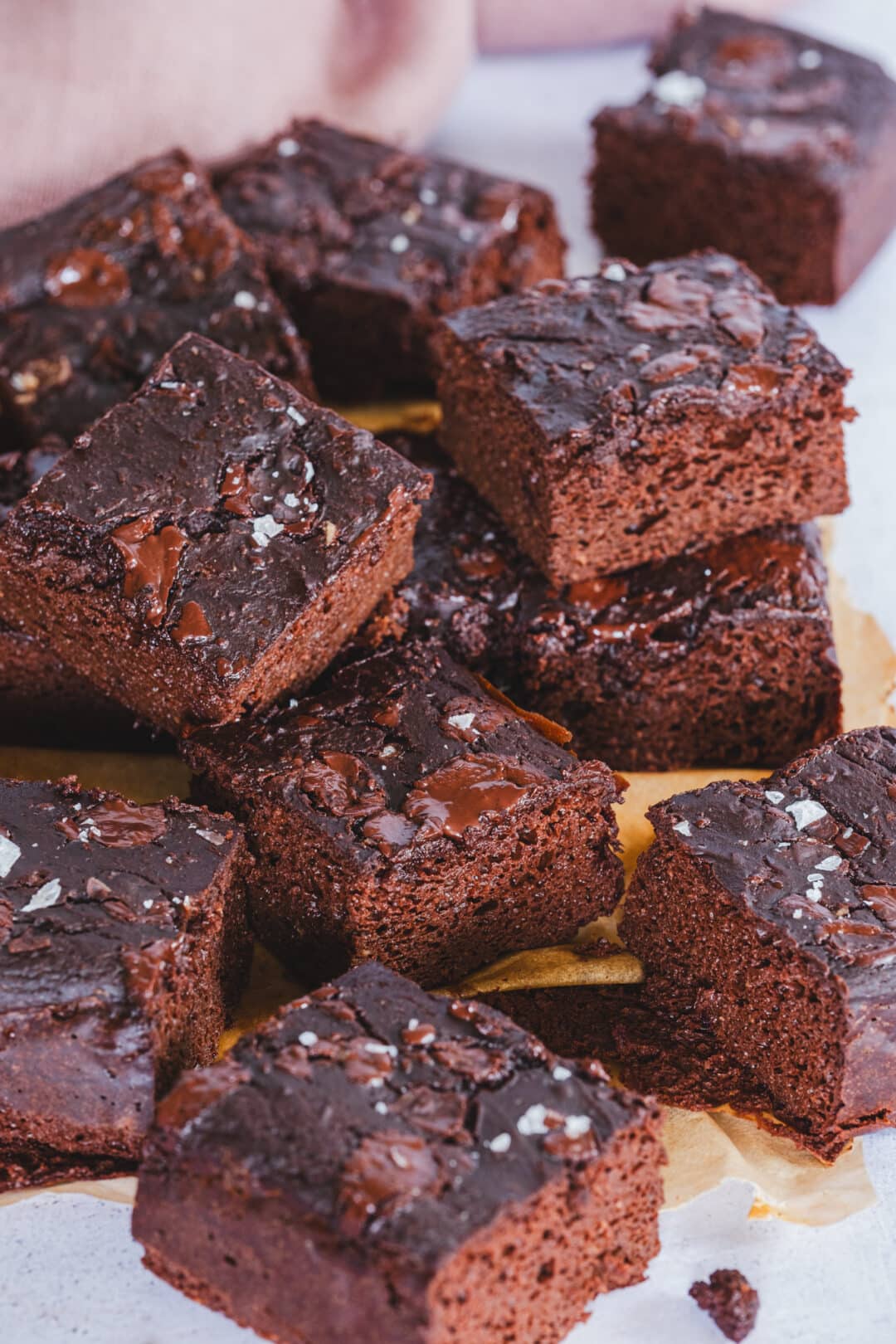
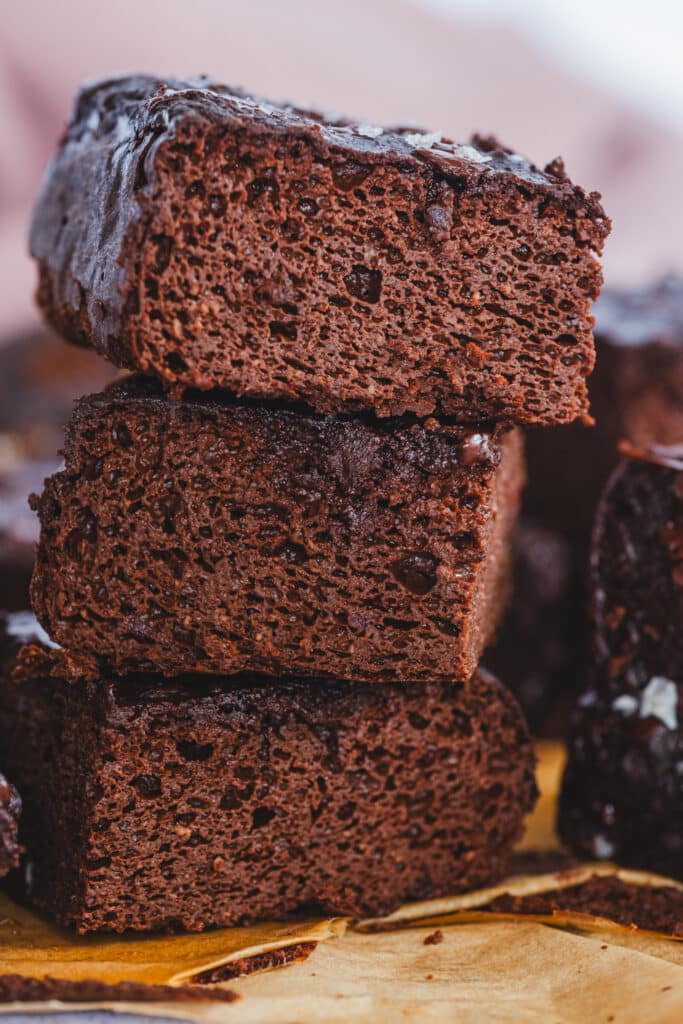
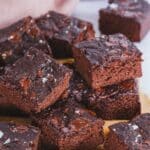
These gluten-free butternut squash brownies are a decadent sweet treat that can still nourish and energize you, even while in a calorie deficit. Soft and delicate, yet rich and deeply chocolatey, they are made with simple ingredients and can easily be adapted for extra protein. The original version is dairy-free, made with coconut yogurt, but the recipe is versatile enough to work with a variety of yogurts and dietary preferences. Gently sweetened with a small amount of allulose or monk fruit and a few dates, these brownies are rich, satisfying, and full of flavor without being overly sweet or heavy.
A Brownie for Weight Loss?
I created this recipe while in a calorie deficit to lose a few extra pounds of fat. Butternut squash — and squash in general — adds beautiful texture and bulk to cake-like treats, but with fewer calories and carbohydrates than ingredients like sweet potato or ripe banana. And in a brownie recipe like this one, even if you are not a fan of pumpkin flavor, the rich chocolate taste completely takes over.
One brownie has under 80 calories, and when made with added protein powder, it provides over 4 g of protein and about 2 g of fiber. These brownies were perfect during a recent road trip, when I didn’t always have access to a proper meal but still wanted something nourishing, sweet, and satisfying with my coffee. The idea to share the recipe came when my husband said I should make these brownies more often because he really liked them — and he’s not much of a dessert person.
As you’ll see in the substitutions section below, this recipe is also very flexible. If squash is not your thing, you can use roasted sweet potato or banana instead, although the carbohydrates and calories will increase slightly. The original version is dairy-free, which is why I used a plain, unsweetened coconut yogurt, but almost any yogurt will work here, including Greek yogurt or skyr.
To boost the protein content, I added 2 tablespoons of grass-fed whey protein powder. For a dairy-free version, feel free to use a sugar-free plant protein powder instead — vanilla, chocolate, or even unflavored all work well. If your protein powder is unsweetened, you may want to slightly increase the sweetener. And if you prefer to skip the protein powder altogether, simply replace it with 2 tablespoons of tapioca flour (and add more sweetener).
I hope you enjoy these butternut squash brownies as much as we did.
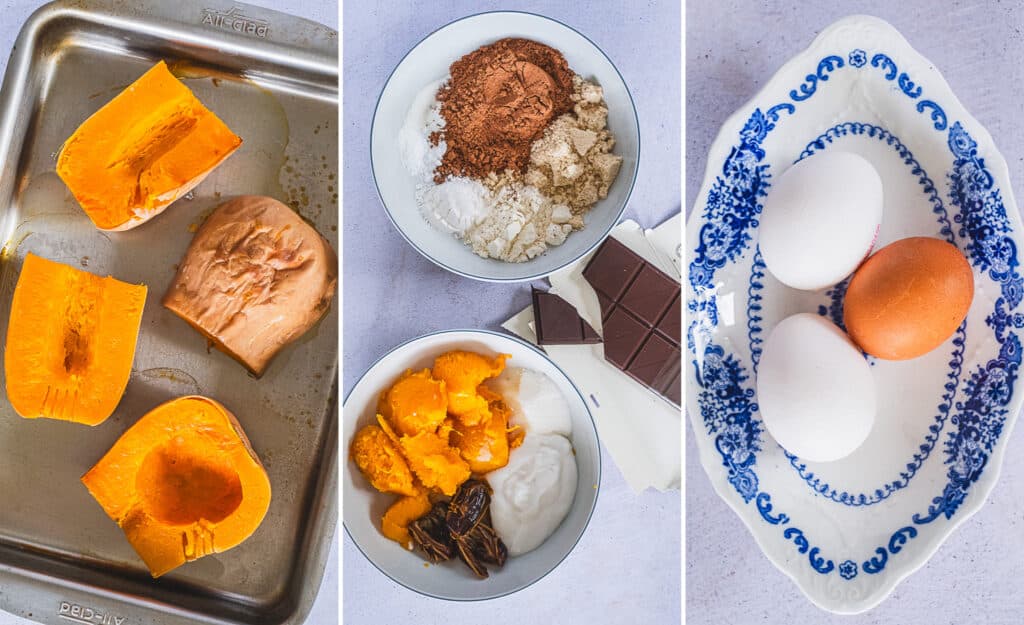
Ingredients
Dry Ingredients
- 1/2 cup cacao powder
- 1/4 cup almond flour
- 1 tablespoon tapioca flour
- 1 teaspoon baking powder
- 1 teaspoon baking soda
- 2 tablespoons sugar-free vanilla or chocolate protein powder (or replace with 2 additional tablespoons tapioca flour)
Wet Ingredients
- 260 g roasted butternut squash
- 3 pasture-raised eggs
- 3 Medjool dates, soaked for 1 minute in hot water
- 1/3 cup coconut yogurt or 2% Greek yogurt
- 2 tablespoons allulose or monk fruit sweetener (+1 extra if skipping protein powder)
- 1 teaspoon vanilla extract
- Pinch of salt
Extra
- 50 g dark chocolate (85%, sugar-free), chopped, or dark chocolate chips
- Sea salt flakes
Substitutions
Butternut Squash — You can replace the butternut squash with another type of pumpkin or squash, such as Hokkaido squash. Canned pumpkin puree also works well; just make sure it’s a good-quality puree with no added ingredients and not too watery. Roasted sweet potato or banana can also be used as a 1:1 replacement, although banana will give the brownies a slightly sweeter and more pronounced flavor.
Coconut Yogurt — You can use almost any type of plain yogurt in this recipe, including Greek yogurt, sheep yogurt, or goat yogurt, with any fat percentage. Keep in mind that the nutritional values will change depending on what you use. If you want to keep the brownies lower in calories and higher in protein, a 2% Greek yogurt is a great option. If using coconut yogurt, choose a plain, unsweetened variety with minimal ingredients.
Vanilla Protein Powder — The protein powder is optional and mainly helps increase the protein content of the brownies. I use a sugar-free, grass-fed whey vanilla protein powder, but you can use a dairy-free version if preferred (both vanilla and chocolate flavors work). If skipping it altogether, replace it with 2 additional tablespoons of tapioca flour to compensate for the dry ingredients. Also, since the powder adds some extra sweetness, add one extra tablespoon of allulose or monkfruit if you skip it.
Almond Flour — To make the brownies nut-free, replace the almond flour with another gluten-free flour of choice, such as oat flour (not lectin-free), sorghum flour, or cassava. I don’t recommend coconut flour, as it absorbs too much moisture and will significantly change the texture.
How to Make Butternut Squash Brownies
Preheat the oven to 180°C / 350°F. Line a 9×9-inch (23×23 cm) baking pan with parchment paper.
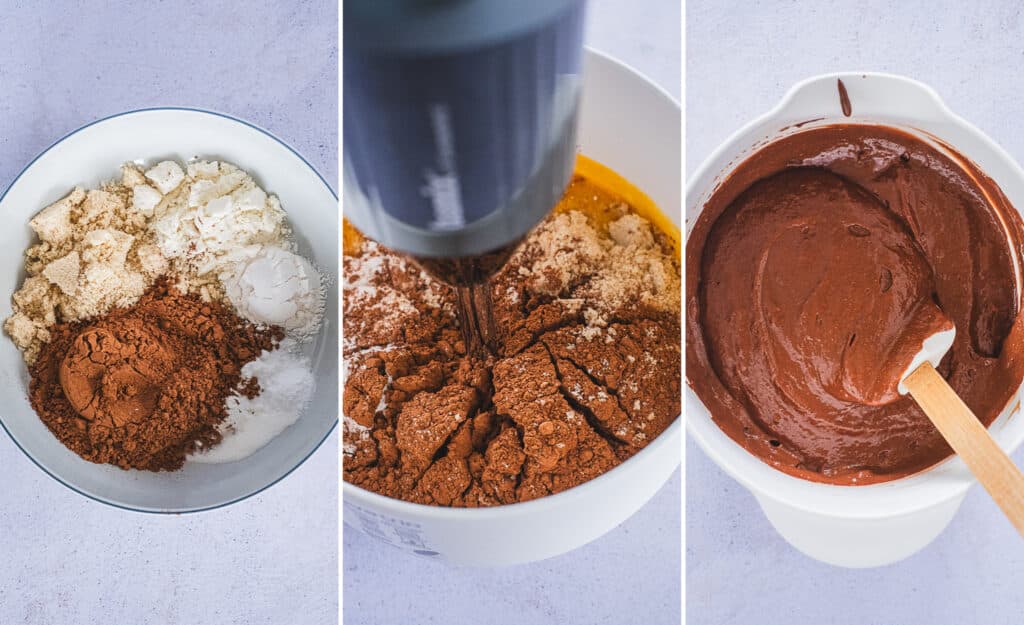
In a medium bowl, whisk together all the dry ingredients.
Add all the wet ingredients to a food processor or use an immersion blender and blend until smooth.

Add the dry ingredients to the wet mixture and briefly blend again, just until incorporated. Do not overmix. The batter will be thick.
Transfer the batter to the prepared pan and spread evenly. Sprinkle the chopped dark chocolate on top.
Bake for about 40 minutes, or until the top is set and the brownies are no longer soft to the touch.
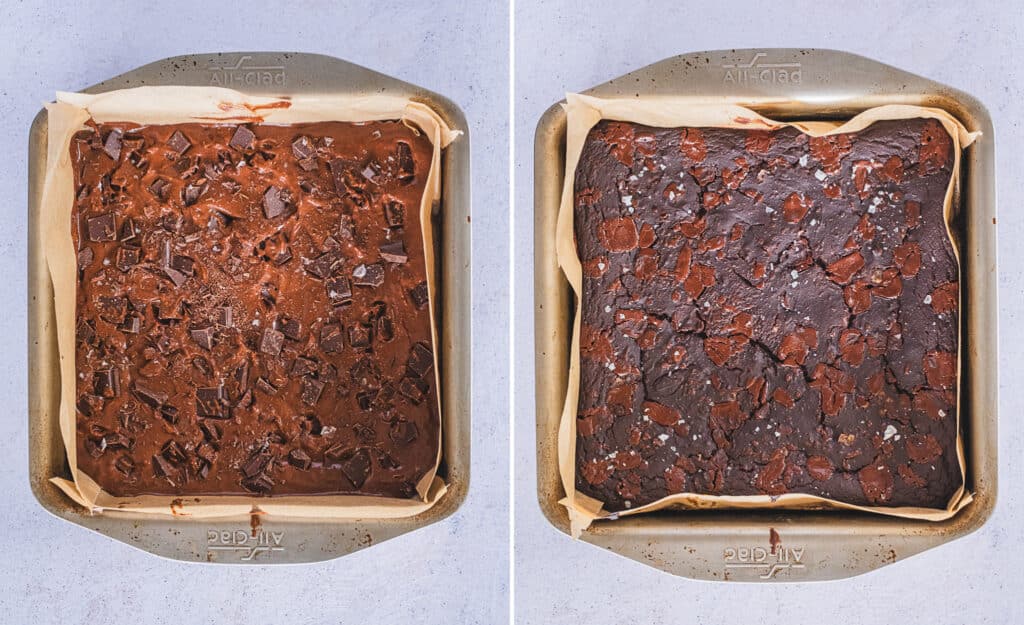
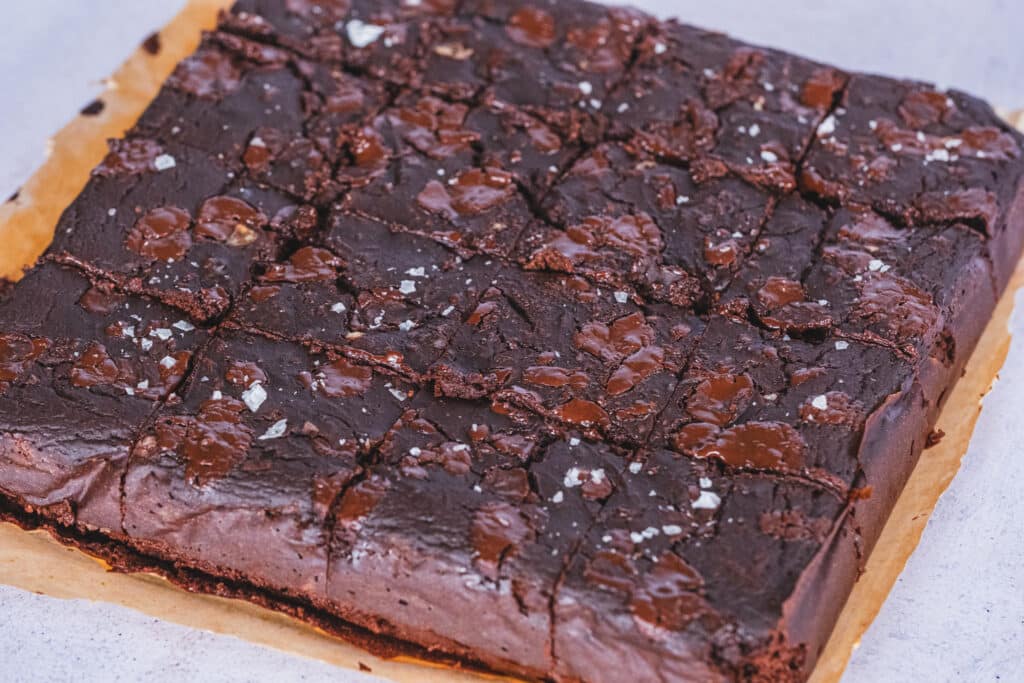
Sprinkle with sea salt flakes and allow the brownies to rest in the pan for 10–15 minutes. Remove from the pan, cool completely on a wire rack, then portion and serve. Refrigerate leftovers.
Nutritional Values
You will find a complete estimated nutritional label below the recipe card. Please note that the label was calculated for the dairy-free version of the brownies, made with coconut yogurt and 3 tablespoons of tapioca flour (without protein powder).
Below are the approximate macros for the version made with 1 tablespoon tapioca flour and 2 tablespoons of NutraBio grass-fed vanilla whey protein powder sweetened with monk fruit. As you can see, the protein content doubles and the carbohydrate content decreases slightly.
Per brownie (1 of 16):
- Calories: ~79
- Protein: ~4.2 g
- Carbohydrates: ~8.1 g
- Fiber: ~2 g
- Net carbs: ~6.1 g
- Fat: ~4.2 g
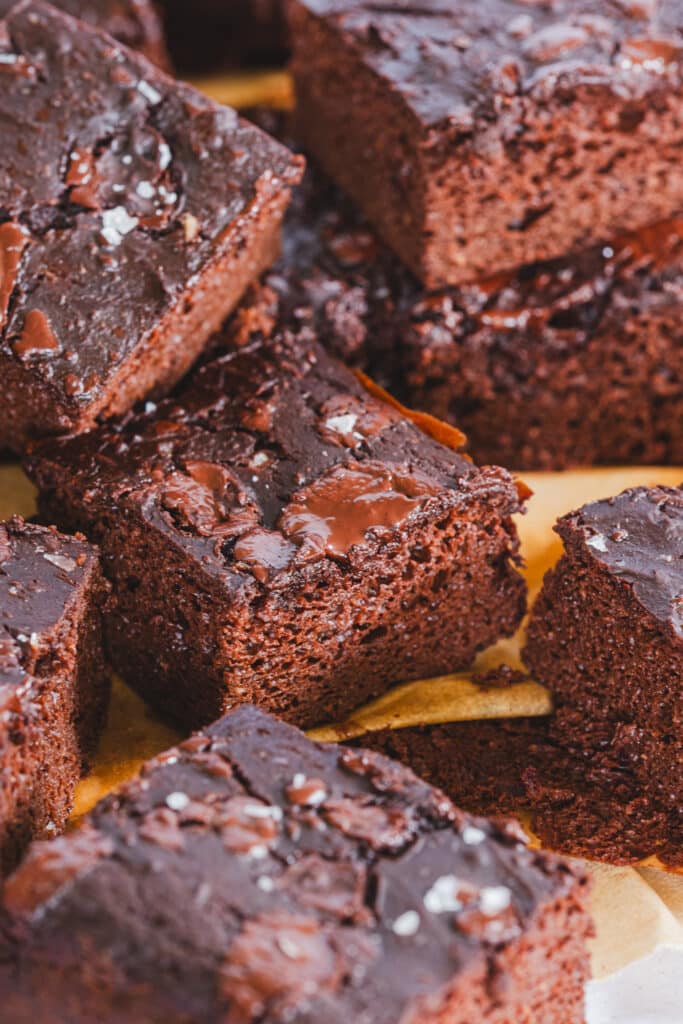
Enjoy these gluten-free, sugar-free, and dairy-free butternut squash brownies!
You May Also Like
If you are a chocolate lover, you can check more gluten-free and sugar-free recipes below:
- Chocolate and Sweet Potato Brownies with Hazelnuts
- Keto Avocado Brownies with Hazelnuts
- Gluten-Free Chocolate Chip Muffins
- Chocolate Layer Cake
*This post contains affiliated links, which means I get a small commission if you choose to purchase something via one of my links, at no extra cost to you.
Print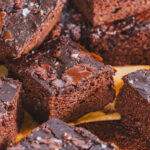
Butternut Squash Brownies (Gluten-Free, Dairy-Free)
- Prep Time: 20 minutes
- Cook Time: 40 minutes
- Total Time: 1 hour
- Yield: 16 brownies
- Category: Dessert
- Method: Baking
- Cuisine: American
- Diet: Dairy-Free, Gluten-Free
Description
These butternut squash brownies are a decadent sweet treat that can still nourish and energize you, even while in a calorie deficit. Soft and delicate, yet rich and deeply chocolatey, they are made with simple ingredients and can easily be adapted for extra protein. The original version is dairy-free, made with coconut yogurt, but the recipe is versatile enough to work with a variety of yogurts and dietary preferences. Gently sweetened with a small amount of allulose or monk fruit and a few dates, these brownies are rich, satisfying, and full of flavor without being overly sweet or heavy.
Ingredients
Dry Ingredients
- 1/2 cup cacao powder
- 1/4 cup almond flour
- 1 tablespoon tapioca flour
- 1 teaspoon baking powder
- 1 teaspoon baking soda
- 2 tablespoons sugar-free vanilla or chocolate protein powder (or replace with 2 additional tablespoons tapioca flour)
Wet Ingredients
- 260 g roasted butternut squash
- 3 eggs
- 3 Medjool dates, soaked for 1 minute in hot water
- 1/3 cup coconut yogurt or 2% Greek yogurt
- 2 tablespoons allulose or monk fruit sweetener
- 1 teaspoon vanilla extract
- Pinch of salt
Extra
- 50 g dark chocolate (85%), chopped, or dark chocolate chips
- Sea salt flakes
Instructions
- Preheat the oven to 180°C / 350°F. Line a 9×9-inch (23×23 cm) baking pan with parchment paper.
- In a medium bowl, whisk together all the dry ingredients.
- Add all the wet ingredients to a food processor or use an immersion blender and blend until smooth.
- Add the dry ingredients to the wet mixture and briefly blend again, just until incorporated. Do not overmix. The batter will be thick.
- Transfer the batter to the prepared pan and spread evenly. Sprinkle the chopped dark chocolate on top.
- Bake for about 40 minutes, or until the top is set and the brownies are no longer soft to the touch.
- Sprinkle with sea salt flakes and allow the brownies to rest in the pan for 10–15 minutes. Remove from the pan, cool completely on a wire rack, then portion and serve. Refrigerate leftovers.
Notes
Butternut Squash — You can replace the butternut squash with another type of pumpkin or squash, such as Hokkaido squash. Canned pumpkin puree also works well; just make sure it’s a good-quality puree with no added ingredients and not too watery. Roasted sweet potato or banana can also be used as a 1:1 replacement, although banana will give the brownies a slightly sweeter and more pronounced flavor.
Coconut Yogurt — You can use almost any type of plain yogurt in this recipe, including Greek yogurt, sheep yogurt, or goat yogurt, with any fat percentage. Keep in mind that the nutritional values will change depending on what you use. If you want to keep the brownies lower in calories and higher in protein, a 2% Greek yogurt is a great option. If using coconut yogurt, choose a plain, unsweetened variety with minimal ingredients.
Vanilla Protein Powder — The protein powder is optional and mainly helps increase the protein content of the brownies. I use a sugar-free, grass-fed whey vanilla protein powder (sweetened with monk fruit), but you can use a dairy-free version if preferred (both vanilla and chocolate flavors work). If skipping it altogether, replace it with 2 additional tablespoons of tapioca flour to compensate for the dry ingredients and add one extra tablespoon of monk fruit or allulose.
Almond Flour — To make the brownies nut-free, replace the almond flour with another gluten-free flour of choice, such as oat flour (not lectin-free), sorghum flour, or cassava. I don’t recommend coconut flour, as it absorbs too much moisture and will significantly change the texture.
1 Comment
Christian
June 25, 2026 at 1:21 pmThese butternut squash brownies are the best!