Description
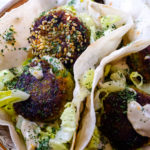
These chickpea-free cauliflower falafel are made with cauliflower, parsnips, and sunchokes, blended with parsley, garlic, cumin, coriander, and cardamom. They are tender rather than crisp and crumbly like traditional chickpea falafel, but the warm spices and fresh herbs give them that familiar falafel-inspired flavor. The recipe is naturally vegan, grain-free, and lectin-free, making it a good alternative for anyone who doesn’t eat chickpeas — or simply wants to experiment with a vegetable-based falafel.
Ingredients
- 1 small head cauliflower, steamed or boiled until al dente
- 2 medium parsnips, peeled and boiled
- 2 medium sunchokes (Jerusalem artichokes), peeled and boiled
- 1 large onion, chopped
- 1/2 cup fresh parsley, chopped
- 3–4 garlic cloves, peeled
- 4 tablespoons almond flour, or more if needed
- 2 teaspoons ground cumin
- 1 teaspoon ground coriander
- 1/4 teaspoon black pepper
- 1/4 teaspoon cayenne pepper
- 1/8 teaspoon ground cardamom
- 1 1/2 teaspoons salt, or to taste
- Avocado oil or extra virgin olive oil, for shallow frying
- Sesame seeds, for coating, optional
- 1–2 teaspoons turmeric, for the turmeric falafel, optional
For serving, optional
- Grain-free pita bread or tortillas
- Romaine lettuce
- Tahini dressing
- Fresh or dried parsley
- Lemon wedges
Instructions
- Cook the cauliflower, parsnips, and sunchokes until just fork-tender, taking care not to overcook them. You can boil all the vegetables, but steaming the cauliflower separately will prevent it from becoming too watery, which will give a better texture.
- Add the cooked vegetables, onion, parsley, garlic, almond flour, cumin, coriander, black pepper, cayenne, cardamom, and salt to a food processor. Process until everything is finely chopped and combined but not completely smooth; the mixture should retain a little texture.
- Transfer the mixture to a bowl, cover, and refrigerate for 1 1/2 hours.
- Remove the mixture from the refrigerator and shape it into balls, using about 2 tablespoons of mixture for each falafel. Place them on a board or plate lightly dusted with cassava or almond flour to prevent sticking, if necessary. If the mixture is too soft or watery, you can add a bit more cassava or almond flour.
- To easily make three variations, leave the first third plain. Coat the next third with sesame seeds. Mix the turmeric into the remaining third before shaping it into balls.
- Heat avocado oil or extra virgin olive oil in a frying pan over medium heat. Test one falafel first to ensure the oil is hot enough, then shallow-fry the falafel in batches without overcrowding the pan.
- Fry the plain falafel first, followed by the turmeric falafel and then the sesame-coated falafel (this way the sesame seeds won’t burn in the oil). Cook for approximately 2 minutes on each side, or until golden. Transfer to a paper towel-lined plate.
- Serve with romaine lettuce, grain-free pita or tortillas, tahini dressing, parsley, and a squeeze of lemon.
Notes
The falafel will have a softer texture than traditional falafel made with dried chickpeas.
Avoid overcooking the vegetables, as excess moisture can make the mixture too soft and difficult to shape.
If the mixture feels too wet after chilling, add a little more almond or cassava flour.
You can make the entire batch plain instead of dividing it into three variations.
For a milder falafel, reduce or omit the cayenne pepper.
This quantity makes about 20 small falafels.